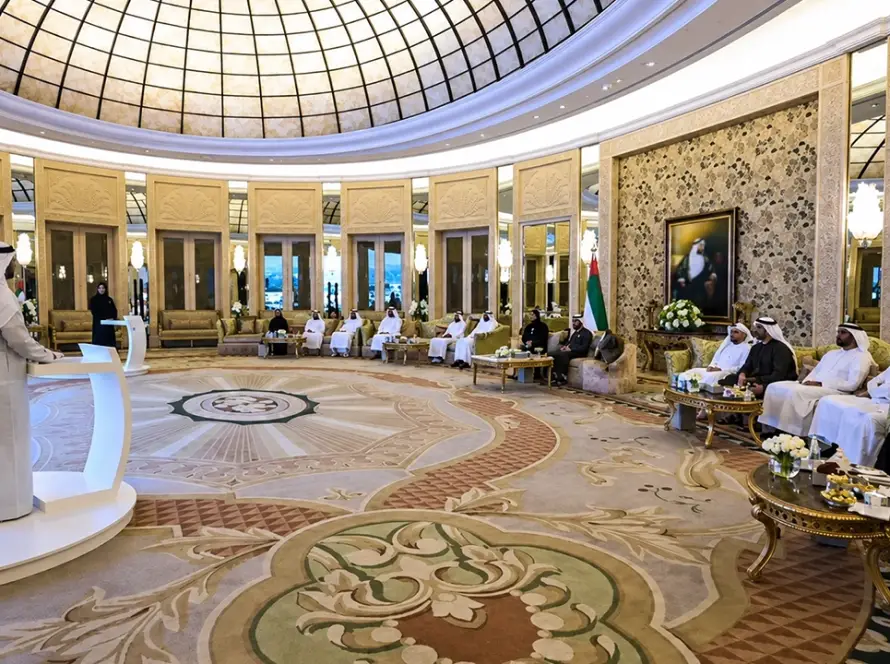
An exhibition stand is not only a structure. It is a temporary brand environment. In Abu Dhabi and the UAE, exhibitions attract government entities, corporate buyers, investors, partners, media, and industry specialists. A stand must do more than look impressive from a distance. It must help the right visitors understand the brand quickly and take the next step.
Good exhibition stand design starts with a question: what should happen when a visitor arrives? The answer shapes the booth layout, messaging, digital screens, product displays, meeting areas, demo zones, storage, staff positions, and content flow.
Visibility is only the first job
A stand has to be visible in a crowded hall, but visibility alone does not create value. Once someone notices the stand, the experience must guide them. They should understand who the company is, what it offers, why it matters, and where to go next. If the stand is visually strong but confusing, it fails.
Visitor flow is the hidden performance factor
Many exhibition stands lose opportunities because of weak flow. Visitors hesitate at the entrance, cannot identify the right contact person, miss the demo area, or leave without a clear action. A strong stand uses space intentionally.
- Open entry points that reduce hesitation
- Clear brand message visible from distance
- Demo or content zones for deeper engagement
- Meeting areas for serious conversations
- Back-of-house storage that does not interrupt the experience
- Signage and screens that guide attention
- Photo-friendly angles for media and social content
Digital content makes the stand easier to understand
Screens are common at exhibitions, but many brands use them badly. A loop of generic brand visuals does not help the visitor. Digital content should simplify the offer, show proof, demonstrate product benefits, display impact, or create an immersive brand story. Short, clear, visual content performs better than overloaded presentations.
Production must protect the concept
The best concept can fail if production is weak. Materials, lighting, installation, AV, print quality, timelines, approvals, and venue rules all matter. Exhibition planning should start early enough to allow design, rendering, costing, production, revisions, logistics, installation, testing, and dismantling without last-minute damage to quality.
Exhibition stands need content before and after the event
A stand should support the wider campaign. Before the exhibition, content can announce participation and invite visitors. During the event, short videos, reels, photography, interviews, and behind-the-scenes content can build momentum. After the event, the brand can publish highlights, leads follow-up, PR notes, and a case study.
This is why INK approaches exhibitions as brand experiences, not isolated builds. Design, production, branding, digital content, media, and visitor engagement have to work together.
Final answer
A strong exhibition stand in Abu Dhabi is a visitor-first brand space. It should be visible, easy to understand, operationally smooth, digitally supported, and designed to create meaningful conversations. Beautiful design matters, but performance comes from the combination of strategy, flow, content, and execution.